- 23 Dec 2025|
- News
What is a roof lantern? It’s a common question from homeowners who spot a stylish glass structure crowning orangeries and flat roofs, and wonder if it could be the right solution for their home.
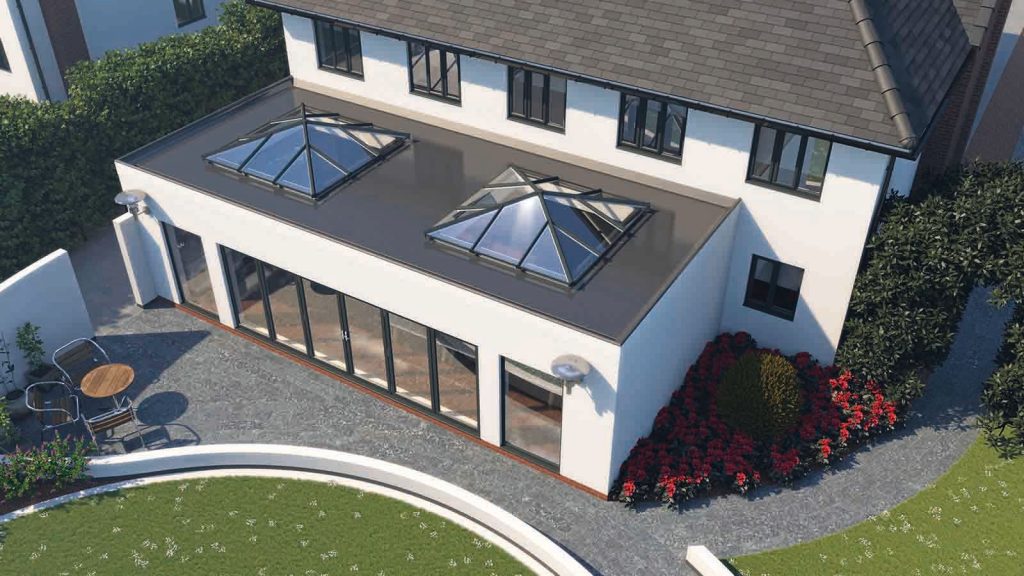
Roof lanterns have spiked in popularity in recent times, especially as thermal performance becomes non-negotiable in the minds of the British public, with reducing energy bills whilst still having naturally light-filled spaces a priority. To briefly describe what a roof lantern is, it’s a type of architectural feature that protrudes from a flat roof or extension, creating a glass feature that brings in natural light and opens up the space below.
At Doncaster Trade Windows, we see roof lanterns transforming everything from kitchen extensions to orangeries across South Yorkshire. They are trending largely for their ability to completely change the feeling of space, turning darker rooms into bright, inviting areas. With a wide range of roof lanterns in different sizes, styles and frame colours, homeowners have plenty of options to match their property.
In this guide, we’ll explain how roof lanterns work, explore their benefits, and discuss where they work best in UK homes.
What is a roof lantern?
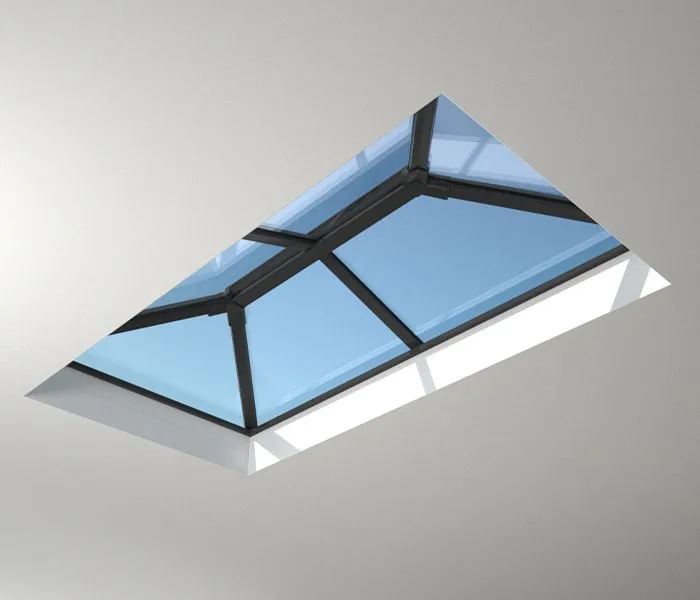
A roof lantern is essentially a glass structure that sits on top of an existing flat roof or forms part of a new build or extension. Unlike a standard roof window or flat rooflight, a lantern roof isn’t just a pane of glass, it’s an architectural feature that usually features multiple sides and a pitched design, often with a central ridge.
Traditionally, roof lanterns were made from timber with leaded glass panes, often seen in grand Victorian and Georgian homes. Today, modern roof lanterns use materials like uPVC and thermally broken aluminium for stronger frames, better insulation, and low-maintenance finishes. They come in a wide range of roof lantern sizes, from smaller roof lanterns suitable for compact kitchen extensions to larger roof lanterns ideal for orangeries and living rooms.
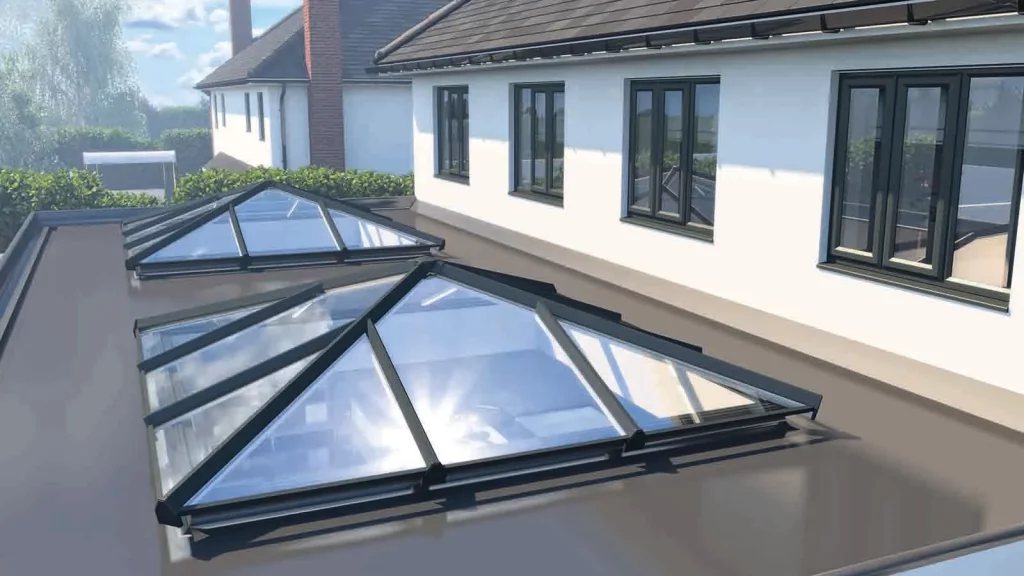
Roof lanterns are perfect for areas where you want to introduce more natural light without compromising structural integrity. They can be installed on an existing flat roof, over a new roof, or as part of a new extension. Depending on your needs, you can choose single or multi-bar designs, different frame colours, and even add roof lantern blinds for light control.
What are the benefits of a roof lantern for homeowners in South Yorkshire?
Roof lanterns do far more than look good; they have practical benefits too. Here’s a breakdown of the key advantages:
Higher natural light intake
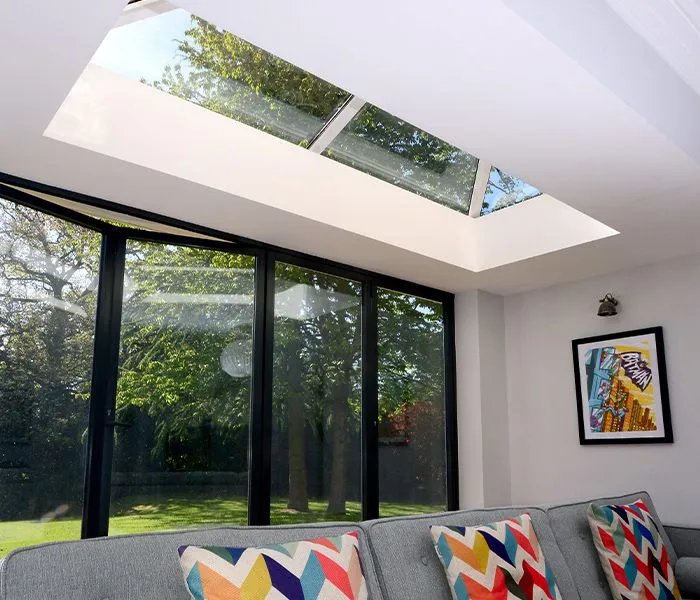
By using multiple panes of glass, a roof lantern maximises the amount of light entering a room. This is a great way to brighten spaces that would otherwise feel closed off, such as kitchens, conservatories, or the centre of the room in an extension. Regular exposure to natural light is proven to come with several health benefits, including improved sleep, better productivity, a happier mood, and increased vitamin D production, perks that your whole family will benefit from.
Regulated temperature
Modern roof lanterns are designed with thermal efficiency in mind. Features like low-E double or triple glazing, thermally broken frames, and special coatings prevent heat escaping in colder months and reduce solar gain during warmer months.
Structural integrity
Despite their glass construction, roof lanterns are strong. Quality uPVC frames, combined with robust engineering, ensure your lantern can withstand challenging weather while maintaining structural stability.
Weather-resistant
With proper installation and glazing, roof lanterns are resistant to rain, wind, and even snow. A reliable roof lantern supplier like Doncaster Trade Windows ensures all roofing components are carefully fabricated to avoid leaks or drafts.
Increased property value
A stylish lantern roof can add real value to your home. It creates a feature that feels both contemporary and functional, appealing to future buyers.
Sense of space
Roof lanterns give rooms a feeling of space by opening them up to natural light and sky views, helping smaller living spaces feel airier.
Contemporary look
With a wide range of frame colours and finishes, roof lanterns complement modern homes while still working in traditional settings.
What is uPVC and why is it a good material for roof lanterns?
uPVC, or unplasticised polyvinyl chloride, is the most popular material for windows, doors, conservatories and roof lanterns in the UK. Known for its durability, low maintenance, and excellent thermal efficiency, uPVC has been widely used in construction for decades.
Benefits of uPVC for roof lanterns
- Low maintenance: uPVC doesn’t rot, warp, or require regular painting. A simple soft cloth is enough to keep it looking new.
- Thermal efficiency: Multi-chambered uPVC profiles with double or triple glazing and thermal breaks reduce cold bridging and help maintain comfortable indoor temperatures.
- Customisable: Modern uPVC can be finished in a wide range of colours, including anthracite grey, matt black, classic white, and golden oak, allowing homeowners to match the existing décor.
- Affordable: uPVC can be mass-produced without compromising quality, making it a cost-effective solution compared with traditional materials.
FAQs
Who are Doncaster Trade Windows?
We are a family-owned business serving South Yorkshire, specialising in windows, doors, conservatories, and roof systems. Our in-house manufacturing ensures top quality, fast lead times, and excellent customer service. We supply both trade installers and homeowners, offering competitive prices, energy-efficient products, and expert guidance.
Do I need planning permission for a roof lantern?
Most roof lanterns fall under permitted development rights if they are part of an existing flat roof or single-storey extension, but if you live in a conservation area or the installation is unusually large, it’s best to check with your local planning authority.
How does a roof lantern improve energy efficiency?
Using double or triple glazing with low-E coatings and thermally broken frames reduces heat loss, prevents cold bridging, and can lower heating bills while keeping rooms warmer in winter and cooler in summer.
Can I add roof lantern blinds?
Yes. Many homeowners choose roof lantern blinds to control light, reduce glare, and add privacy without affecting the modern look of the lantern.
What is the installation process like?
Installation involves placing the roof lantern on your existing flat roof or extension. Our roofing team ensures correct positioning, seals all joints, and checks compliance with building regulations. Temporary covers protect your interior during the process.
In Summary
- Roof lanterns are glass structures forming part of a new or existing flat roof, bringing in natural light and creating a sense of space.
- Modern roof lanterns mainly use uPVC frames for durability, low maintenance, and thermal efficiency.
- They suit kitchens, orangeries, extensions, and any room where you want a contemporary architectural feature.
- Roof lanterns are available in a wide range of sizes, colours, and designs, including options for blinds or solar control glass.
- Doncaster Trade Windows provides supply and installation across South Yorkshire, with fast lead times, expert advice, and guaranteed quality.
Ready to see how a roof lantern could transform your home? Contact Doncaster Trade Windows today on 01302 891426 or email doncastertradewindows@live.co.uk for expert advice and a free quote.